AN ALTERNATIVE WAY TO CELEBRATE EASTER

Hey, I am Ana, usually a student in Bucharest, at ASE REI, but this semester I am in an Erasmus mobility on the gorgeous island of Tenerife in Spain. I love travelling, learning new languages, reading, spending time outdoors, especially in nature.

    I can say that between Romania and Spain, especially Tenerife, there are quite a lot of cultural differences. Regarding Easter, the Spaniards have a very interesting vision about its celebration. The week before Easter it’s called Semana Santa (Holy Week) and Catholics in Spain celebrate through traditions that commemorate the crucifixion and resurrection of Jesus. Each day of Holy Week has its special traditions, like processions on the streets, bringing olive branches to church, create spectacular alfombras, or rug-like displays made with flowers, in the street, and many more.

   Although Easter is a holiday originally considered the most important event of Christianity, it can be celebrated and felt in many ways.

   Traditionally, Easter is represented by going to church, Spring cleaning, guests and time spent together at a table full of goodies prepared by mother and grandmother. Easter has no charm without the delicious aroma of freshly baked cozonac coming from the kitchen and spreading throughout the house.

   Every year I used to hold on to the Easter traditions of going to church, preparing the Easter meal, dyeing eggs and making cozonac, to feel part of the celebration. But this year I am an Erasmus student and I realized that Easter is about inner peace, thoughts of gratitude, about loving and caring for yourself, about doing an activity that truly brings joy to your soul and gives you freedom to be yourself. It's somehow relaxing to let go of the big holiday preparations, so you can enjoy the feeling of living, of feeling refreshed and free of any worries, instead of feeling overwhelmed with preparations. It's important to be able to take a moment for yourself to create some inner peace.

   As a final thought, I think it's important to detach ourselves from the socially imposed norms that can often take us away from the essence of a holiday and end up feeling overwhelmed. It is great to have the courage to celebrate Easter in the way our soul asks us to.


   Written by Ana Carolina Todor


Romania’s Christmas Markets 2023


In the warm glow of the holidays, ESN ASE-CMP Bucharest invites you on an enchanted journey through Romania's most fascinating cities, where Christmas markets bring magic and joy to our hearts. From the traditional atmosphere of Sibiu to the vibrant brilliance of București, and from the historic charm of Brașov to the hospitality of Iași, these cities transform into true fairytale destinations. 


In booths decorated with festive sparkle and tempting aromas, Christmas markets reveal a magical world, and the shining lights bring streets and squares to life. We invite you to feel the authentic joy of the holidays in these cities full of history and tradition, where the Christmas spirit comes to life in every corner.


București:


1.Christmas Market București (Constituției Square): November 30, 2023 - December 26, 2023

With the opening of the Christmas Market in Constituției Square, București becomes a corner of winter magic. Under the spectacular light of the carefully decorated 30-meter-high Christmas tree, the atmosphere becomes radiant, and Santa's House and picturesque booths enrich the landscape with authenticity. 

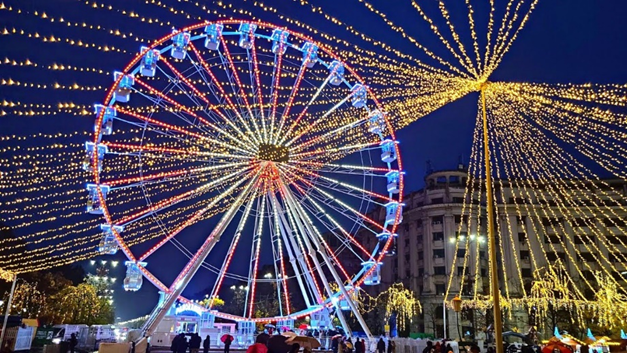
Organized by the București Municipality, the market offers a lot of experiences, from rides on the Ferris wheel to the joy of the Coca-Cola Caravan and the charm of rides on the little train or carousel. Free entry, concerts, activities for children, and traditional delights available in themed booths make this event an irresistibly festive destination, where the community gathers to celebrate the joy and warmth of Christmas.


2. West Side Christmas Market (Drumul Taberei): November 10, 2023 - December 27, 2023

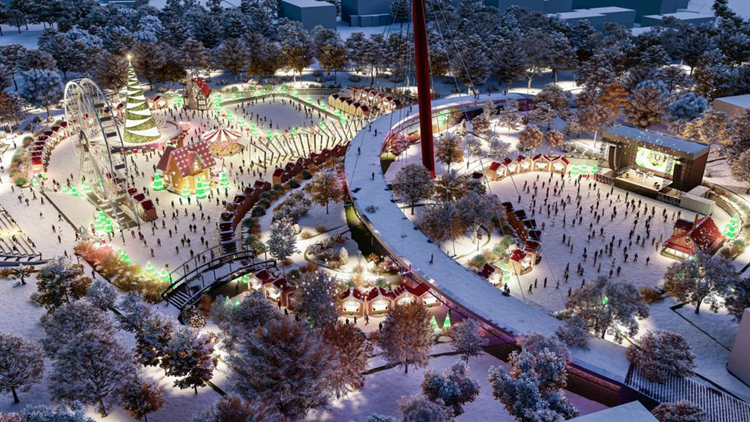
With twinkling lights and the charming atmosphere of winter holidays, West Side Christmas Market opens its doors in Drumul Taberei Park, Sector 6, until December 27. Voted the most beautiful Christmas market in Romania in 2022, it promises to offer a show full of magic and joy. With attractions such as a generous ice rink, carousel, little train, and a 38-meter-high Ferris wheel, the market brings brightness and charm to the heart of the Capital. Over 65 booths will host traditional delights, mulled wine, hot chocolate, and handicrafts. Santa's House remains a focal point, where everyone can transport themselves to the world of childhood at the Elves' Workshop. The market can be easily accessed by subway (Parc Drumul Taberei station) or public transport. West Side Christmas Market is an authentic corner of story and joy in București.


3. Winter Wonderland (Laminor Hall): November 30, 2023 - January 2, 2024

Opening on November 30, Laminor Hall transforms into a true winter holiday paradise, hosting "Winter Wonderland," the largest indoor and outdoor Christmas market in Romania. Located in Sector 3 of București, the event promises a fairytale atmosphere for over a month, until January 2, 2024. With varied attractions, from concerts and ice rinks to silent discos, the market offers magical experiences for children and adults. The extensive list of activities also includes learning the art of making Christmas decorations from talented artists present. 

With free entry, the event is easily accessible by various means of transport, bringing joy and merriment to the heart of the Capital. Laminor Winter Wonderland becomes an irresistible and interactive attraction for all eager to enjoy the charm of the holidays in a spectacular and warm setting.


Christmas Market in Brașov: November 30, 2023 - January 7, 2024

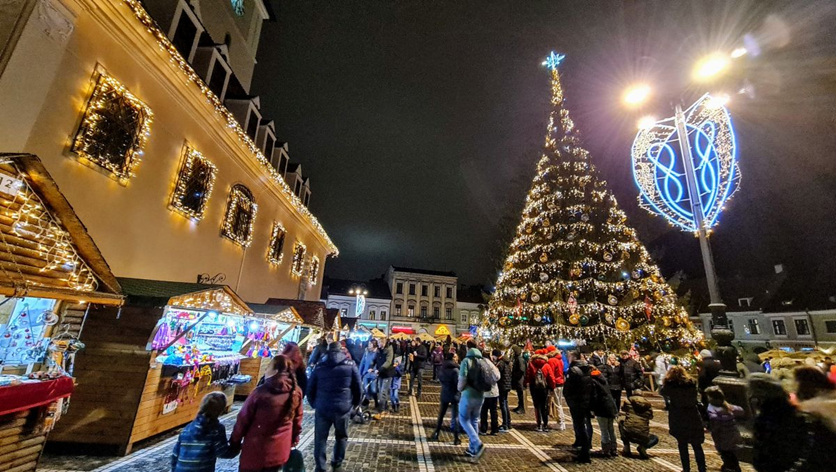
In the heart of Brașov, winter holidays come to life with the glow of thousands of lights that will adorn the city from November 30, 2023, to January 7, 2024. The Christmas Market in Council Square, themed "December Fairy Tale in Brașov," brings joy and magic, turning into a true winter paradise. In a fairy-tale setting illuminated by 1.2 million lights and decorated with 80 Christmas trees, Brașov becomes the ideal place to feel the charm of the holidays. Offering not only traditional and artisanal products but also a varied palette of events, from concerts and creative workshops to theater performances and film screenings, the market promises memorable experiences for all visitors. Additionally, the ice rink in St. John's Square and numerous activities, such as meeting Santa Claus and painting workshops, add a touch of magic to the entire festive atmosphere. Thus, Brașov becomes more than a holiday city – it becomes a winter story written with sparkling lights and moments of joy.


Christmas Market in Sibiu: November 17, 2023 - January 2, 2024

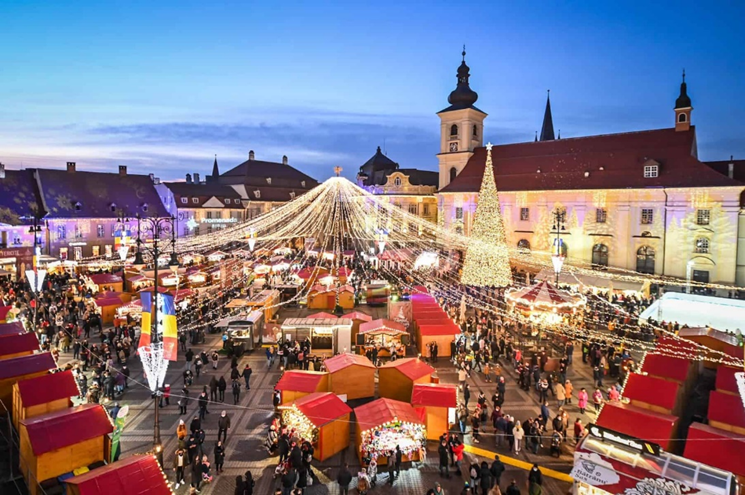
With the eagerly awaited opening of the Christmas Market in Sibiu each year, the city becomes a true corner of a fairy tale, combining tradition and innovation in its 2023 edition. Inaugurated on November 17, the event promises to offer a magical experience where artistic projections transform buildings in the Big Square into moving works of art, creating a charming atmosphere. With over 100 exhibitors and booths, the market brings a diverse selection of gifts and culinary delights, from artisanal souvenirs to mulled wine and traditional products. The event stands out with impressive projections, turning the city into a fairytale landscape. With festive lighting and activities for all ages, the Sibiu Christmas Market remains a meeting place for the magic and joy of winter holidays, bringing the community together in a spirit of generosity and love.


Christmas Market in Craiova: November 17, 2023 - January 2, 2024

With the opening of the Christmas Market in Craiova, the city transforms into a true holiday paradise, radiating magic and color. Under the exciting theme of the Snow Queen's story, inaugurated in a fairy of light on November 17, the event promises a captivating experience until January 2, 2024. Craiova becomes the stage for a visual spectacle, divided into four distinct areas: the Old Center, William Shakespeare Square, the Doljana area, and Mihai Viteazul Square, where visitors can enjoy the enchanting atmosphere. With remarkable turquoise-white decorations and innovations such as the tallest Ferris wheel in Romania, the market provides a perfect setting for photos and memorable moments. 

The over 70 exhibition booths bring together traditions and flavors, from traditional foods to decorations and artisanal gifts. Through festive lighting, an ice rink, carousel, and scheduled concerts, the Christmas Market in Craiova becomes a meeting point for the community and a must-visit destination for those seeking magic in this special time of the year.


Christmas Market in Timișoara: November 26, 2023 - January 7, 2024

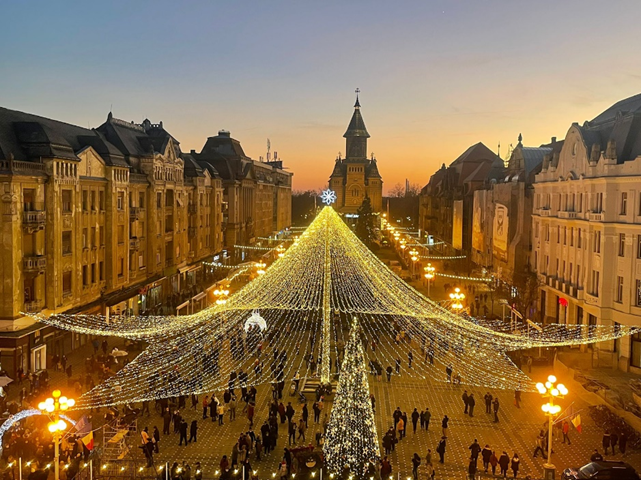
In the heart of Timișoara, the European Capital of Culture for 2023, a winter spectacle full of brightness and joy unfolds. The Christmas Market, inaugurated in a snowy setting, transforms the three central squares – Victory Square, Freedom Square, and St. George Square – into a paradise of lights, with over a million colorful installations. The 70 commercial booths offer gastronomic delights, Christmas decorations, and unique gifts. 

New additions include a panoramic wheel, an ice rink in Freedom Square, and an impressive Christmas tree under the dome of lights in Victory Square. The market will run until January 7, 2024, providing not only a warm atmosphere but also special events such as concerts and shows to grandly conclude the exceptional year for Timișoara.


Christmas Market in Cluj: November 24, 2023 - January 1, 2024

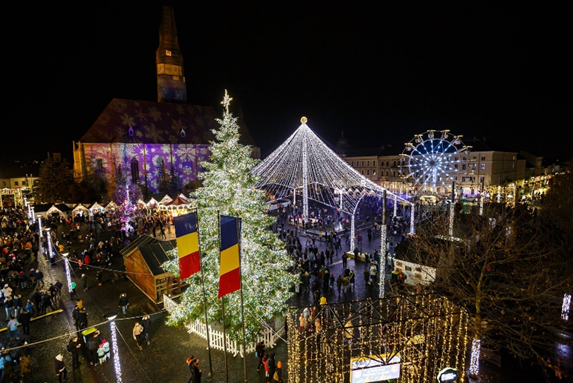
With the arrival of winter, Cluj becomes the magical destination of the holidays, hosting not one, but two Christmas markets that will delight visitors' hearts. Starting on November 24, Unirii Square transforms into "Christmas Planet," offering a fairy-tale atmosphere with illuminated booths, a panoramic wheel, and unexpected surprises. Simultaneously, in the area of the "Horia Demian" Sports Hall, starting December 1, a second market opens, combining traditional delicacies with an ice rink and numerous activities. Both events will remain open until January 1, 2024, offering Cluj residents and visitors the joy of discovering tastefully decorated booths, authentic products, and moments of enchantment. 

Organized under the new UNTOLD concept, the two markets promise smiles, new characters, and adventures upon adventures, representing not only a shopping opportunity but also a unique way to experience the charm of the winter holidays. Thus, Cluj becomes a festive paradise, illuminated by the sparkling lights of the holidays and enveloped in the enticing aroma of traditional treats, inviting everyone present to be carried away by the magic of Christmas on a memorable journey.


Christmas Market in Arad: November 30, 2023 - closes on January 7, 2024

From November 30, 2023, to January 7, 2024, the Christmas Market in Arad transforms the city into a holiday magnet, offering an authentic and joy-filled experience. The Christmas tree shines in front of the Administrative Palace, adorned with dozens of ornaments and thousands of lights. With over 60 local merchants in Avram Iancu Square, the market brings culinary delights, mulled wine, gifts, and artistic decorations. The novelty of this edition is the 30-meter panoramic wheel. Recommended in the European catalog "EU Christmas Lights 2023," Arad becomes a shining jewel in the crown of winter holidays, confirming the beauty and magic brought by lights and festive decorations. Evenings will be enriched with concerts featuring carols and winter songs, performed by local artists and talented students from the People's School of Arts. Thus, the Christmas Market in Arad becomes a festive and authentic landmark in Europe.


Christmas Market in Constanța: November 30, 2023 - December 27, 2023

From November 30 to December 27, Constanța became an inviting destination for holiday lovers, hosting the Christmas Market in the picturesque Oleg Danovski Park. The atmosphere comes to life in a fairytale landscape illuminated by wooden booths and sparkling lights. Visitors will be delighted by the tempting smells of Christmas cookies and hot wine, while carols will pleasantly resonate in their ears.

 A magical experience awaits visitors in the specially created universe, with trains, a magical carousel, a sparkling wheel, and Santa Claus's enchanted house. The diverse offerings of the market include workshops open to the public, live concerts, and stands with artisanal products, representing the perfect place to find holiday gifts. 


Christmas Market in Oradea: November 20, 2023 - December 26, 2023

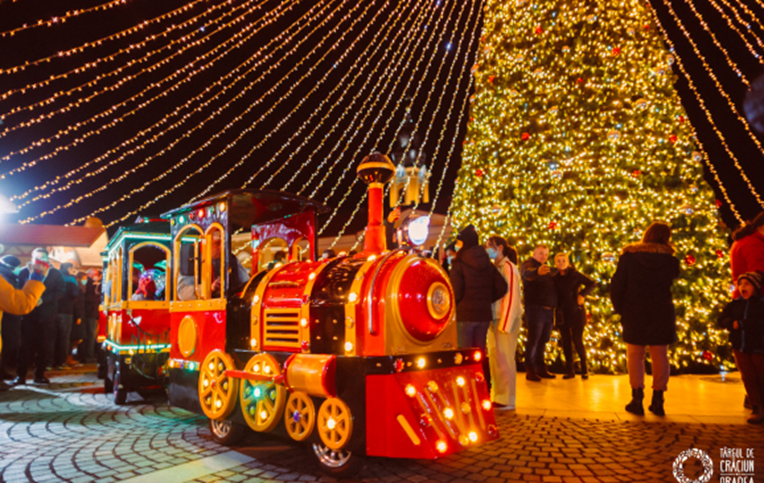
With the magical sparkle of lights and a joyful atmosphere, Oradea becomes the host of a Christmas market from November 20 to December 26. Unirii Square and Ferdinand Square shine in festive lights, embracing visitors with tens of thousands of winter decorations. In a fairytale setting, the market offers a complete experience, from the panoramic wheel and eco-friendly ice rink to Santa Claus's cottage, where little ones can leave their letters.

 A special atmosphere in Unirii Square is complemented by the presence of the imposing Christmas tree, wooden houses with goodies and artisanal products, and, last but not least, a diversified artistic program. Oradea, adorned with holiday lights, also becomes the City of Good Deeds, a true fairy-tale corner.


Christmas Market in Iași: November 30, 2023 - January 8, 2024

With the arrival of the winter holiday season, the city of Iași prepares to decorate its streets with festive lights and open the gates to a charming Christmas market. The event, scheduled from November 30, 2023, to January 8, 2024, will take place along the axis of Bd. Ștefan cel Mare – Piața Unirii – Str. Lăpușneanu. Wooden booths, decorated with pine branches and festive lights, will animate five distinct sections, offering visitors the opportunity to enjoy decorations, gifts, warm drinks, and traditional treats made by local producers.

 In addition to the fairytale atmosphere and holiday music, the Iași Christmas Market will include an amusement park, featuring the "Children's Town" and a giant wheel, bringing an extra dose of joy and enthusiasm to the entire community. The event, organized on the city's historic pedestrian streets, will bring together artisans and lovers of tradition, offering the opportunity to purchase authentic products and participate in creative workshops. Thus, the market is not just a shopping place but also a chance to celebrate Romanian traditions and share the joy of the holidays in an authentic and magical setting.


From the enchanting atmosphere in Craiova to the vibrant celebration in Cluj-Napoca, from the history of Timișoara to the charming allure of Constanța and the beauty of Oradea, our journey through these 10 fairy-tale cities has been a true celebration. The elves of ESN ASE-CMP Bucharest have witnessed this magic blooming in every booth and every corner of the market, where bright lights and tempting aromas brought joy to everyone's hearts. We close this journey with a heart full of gratitude for the beauty of traditions and winter holidays in these wonderful cities. So, in this season of gifts and joy, let us always remember that the spirit of Christmas lives in our hearts, and the joy of giving and sharing is what warms us the most. 


Happy holidays! 


How to Organise a Romanian Christmas Dinner

How to Organise a Romanian Christmas Dinner


Dear Erasmus adventurers,

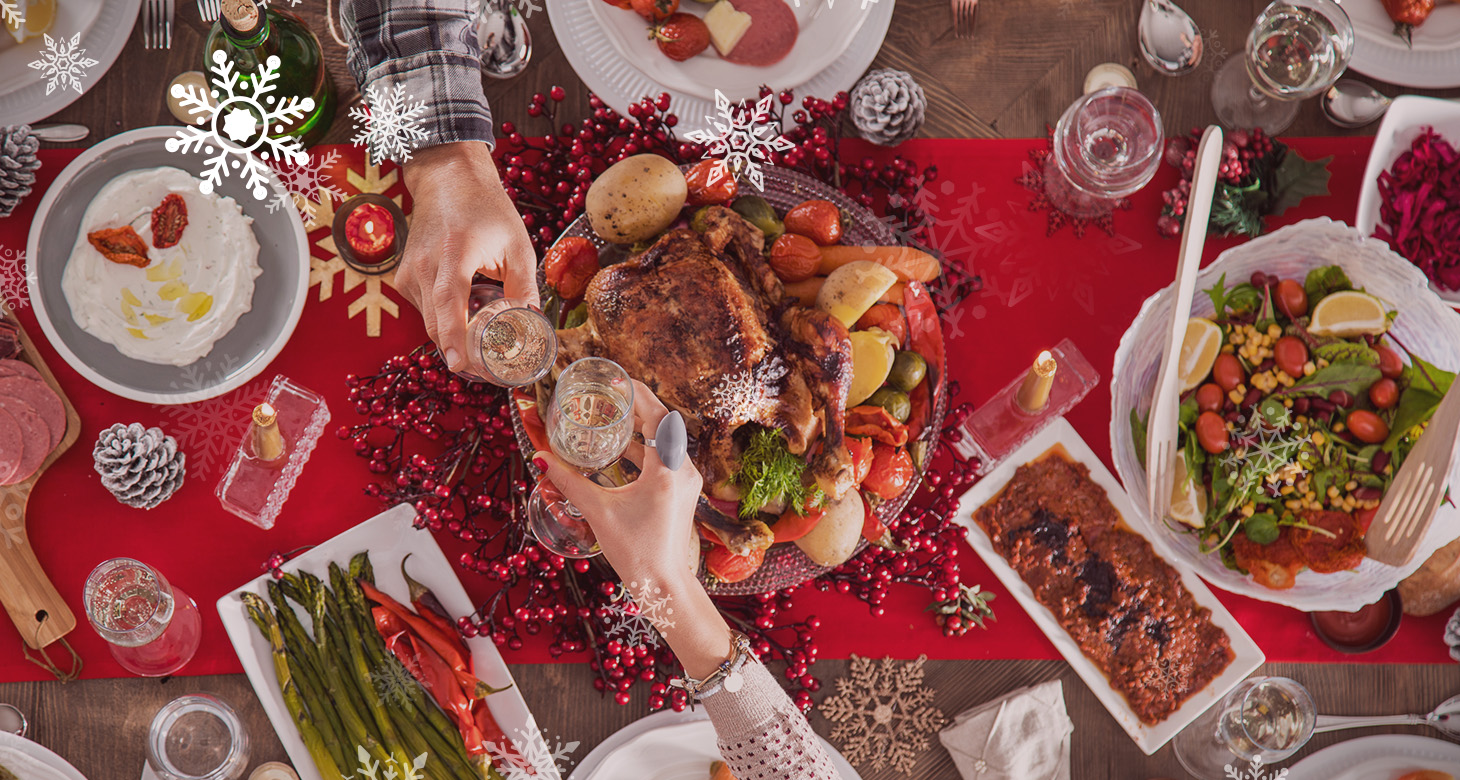
Welcome to Romania, land of vampires, breathtaking landscapes, and a Christmas dinner that could rival the feast at Hogwarts. As you embark on your Erasmus journey in this vibrant country, there's one cultural experience you simply cannot miss – the Romanian Christmas dinner. Brace yourselves, for you're about to dive into a culinary adventure that will test not only your taste buds but also your capacity for festive feasting.

Fear not! We've got your back with a survival guide that's as essential as Google Maps on your first day in a new city.

What makes Romanian dinners so special, you ask? Well, buckle up, because it's not just about the food—it's a culinary rollercoaster, a gastronomic extravaganza that will make your taste buds do the cha-cha! Picture this: a dining experience so legendary that even your grandma's secret recipes are considered top-tier classified information. We're talking about culinary espionage, people! Move over, James Bond; it's time for "Operation Yum."

So, let's embark on this gastronomic adventure together, armed with secret recipes, a generous sprinkle of humor, and a mission to make Romanian dinners the talk of every Erasmus gathering. It's time to unveil the culinary wonders that have been simmering in the pots of our grandmothers – because good food is meant to be shared, celebrated, and, most importantly, devoured with gusto!

In today’s menu we’ll be presenting:

APPETIZERS: 

SOUPS:

  • Taming the Christmas Beast - Ciorba de burta
  • Chuckling Creaminess from Radauti - Ciorba Radauteana

MAIN DISH:

  • Deck the Halls with Sarmale
  • Caroling with Mămăligă - add a bit of fairy dust with Branza de Burduf

DESSERT:

DRINKS:

  • Yuletide waltz with Ţuică
  • Jingle juice - Vin fiert

Hosting a Romanian Christmas dinner for your Erasmus family is not just about the food—it's a celebration of culture, warmth, and togetherness. Embrace the traditions, savor the flavors, and create lasting memories that will carry the spirit of Romania with you wherever your Erasmus journey may take you.

Hosting a Romanian Christmas dinner for your Erasmus family is like throwing a party for your taste buds and cultural senses! It's not just about the food—it's a crash course in Romanian joy, where even the cabbage rolls come with a side of laughter. So, grab a tuica, prepare for a hora with the sarmale, and let's create memories that will make even Dracula crack a smile. Who knew that embracing traditions could be this hilarious? Cheers to a Christmas feast that's more fun than a sleigh ride with Rudolf on vacation!

Wishing you a festive and joyous Romanian Christmas!

Warm regards,

Your dearly beloved ESN ASE-CMP’s little helpers

With just one click, your trip outside of Bucharest begins!

Day Trips from Bucharest


If you ask us, what is one of the most amazing parts of an Erasmus experience? We will tell you that it’s travelling, especially in your Erasmus country. That is why ESN ASE-CMP Bucharest prepared for you some ideas of short trips from Bucharest to some amazing and beautiful places in Romania. If you didn't know yet, between the 30th of November and 3 of December, we will have a long weekend, a mini-vacation that you can use to travel around, and we hope that our article will help you decide your next destination. 


Take your Erasmus friends and enjoy some beautiful days travelling Romania!


1. Bucharest To Transfăgărășan 


Embark on a day trip through the exciting landscapes of Transfăgărășan, Romania's legendary mountain road, located in the Carpathian Mountains. As we climb the serpentine roads, Transfăgărășanul reveals wonderful views, from green valleys to snow-capped peaks in the colder times of the year. The journey on this road will surprise you, and the fresh mountain air will encourage you to stay as long as possible on the mountain top of the road. 

There, the jewel in the crown of the route is Bâlea Lake, a glacial lake surrounded by rocky peaks. This gorgeous place invites you to enjoy the beauty of the place and go through the many mountain hikes that start from there. From Transfăgărășan towards Bucharest, we recommend you to have a stop at the Vidraru dam, which will offer you a stunning view of the Vidraru lake and the mountains around it. 

Whether you are a thrill seeker attracted by serpentines or a nature enthusiast enchanted by the mountainous area, a day trip along the Transfăgărășan is not to be missed, being a journey into the heart of Romania. So, are you ready to cross this natural wonder? And the even better question, are you ready to meet the famous animal of the mountains, the brown bear? If so, Transfăgărășan is waiting for you.


How to get there? 

1. You can either rent a car from Bucharest and you will be there in approximately 3 hours, the distance being 200 km. This is a very fun way of travelling, especially if you rent the car with your Erasmus friends. 

2. Take a Train until Curtea de Argeș and rent the car from there, making the cost of renting smaller. 

3. Take a Train to Sibiu, visit this beautiful city and after that, take a minibus that goes twice a day to Bâlea Waterfall, one in the morning and one in the afternoon. Find out detailed information about the minibus timetable, both for departure and return to Sibiu. The price of a one-way trip is 60 lei, and a return trip is 110 lei. From Bâlea Waterfall you can take the cable car that goes up to Bâlea Lac, offering a beautiful view over Transfăgărășan.


*Don’t forget to use your Romanian student ID for 90% discount for trains. 


2. Bucharest To Sibiu 


Step into the city of Sibiu, a Transylvanian gem where history dances with you, a beautiful mediaeval city, with its cobbled streets and pastel buildings. Begin your day trip in the heart of Sibiu's Old Town, where the Great Square unfolds like an open-air museum. Admire the facade of the Brukenthal National Museum, Romania's oldest museum housed in a baroque palace. Lose yourself in the vibrant market square, where the Council Tower stands tall, offering panoramic views of the city's red rooftops. Stroll along the Liars' Bridge, a symbol of Sibiu's folklore, and let the mediaeval charm envelop you as you explore the passages and secret corners of the Lower Town. Make a stop at the Council Tower, where history and architecture converge in a perfect blend, revealing Sibiu's rich heritage.

For a taste of Sibiu's cultural tapestry, visit the ASTRA National Museum Complex, an open-air museum showcasing traditional Romanian village life. Here, centuries-old houses and windmills create a picturesque landscape against the backdrop of the surrounding forests. Finish your day with a culinary adventure. Savour traditional Transylvanian dishes in a cosy local restaurant, letting the flavours tell a story of the region's culinary heritage. Sibiu, with its timeless beauty and warm hospitality, invites you to be a part of its story for a day, a journey through history and culture, in the heart of Transylvania. Are you ready to explore this captivating city? 


How to get there? 

1. Take a train to Sibiu, one trip will be around 9 lei and your trip will be between 5 and 6 hours.

2. Take a bus to Sibiu, one trip will be around 90 lei and you will spend approximately 5 hours and a half in the bus. 


            3. Piatra Craiului National Park

Discover the magic of Piatra Craiului National Park on a day trip in the heart of Romania's Carpathian Mountains. This beautiful place is all about stunning views and outdoor fun. Start your day with a walk along the park's trails. You'll see big rocky mountains and green meadows. Listen to the birds singing as you explore the thick forests and enjoy the fresh air. To enter the Piatra Craiului National Park you need to buy a ticket, the price is 10 lei. 

The Zarnesti Gorge is like a cool, rocky adventure. Walk beside the river, feel the mist, and marvel at the tall cliffs. It's like a natural wonderland! Take a break at Curmatura Hut, a cosy spot with amazing mountain views. Whether you love hiking or just want to enjoy nature, Piatra Craiului National Park has something for everyone. Are you ready for a day of simple, natural beauty?
 

How to get there? 

1. You can go by car, around 200 km/3 hours. 

2. Take a train to Brașov (around 3 hours/6 lei) and another one from Brașov to Zărnești (approximately 40 min/free with Romanian student ID).


Make your backpack, book your trains, take your friends, and go and explore the beautiful nature and historic cities of Romania. Maybe discover the beautiful Transfăgărășan, the museums în Sibiu, or maybe the hike paths in Piatra Craiului National Park, no matter your destination, we are going to be here, next to you. Don't hesitate to ask us for more information or help. Our ESN ASE-CMP Bucharest volunteers are here to help you have the most amazing trips around Romania.


Author: Daniela Iancu

Bucharest, Suitable for Erasmus Students or Not?

Maybe you’re wondering: Why someone would choose Romania, especially Bucharest, as an Erasmus Destination for studies, considering that there are other well known destinations for students around Eastern Europe, such as Hungary, Poland or Czech Republic? What is it so special about this country known for vampires and diverse nature? Is anything you can do between the studying breaks? Let’s find out together!

Well, before we go deeper into our mini travel guide, I should mention that Bucharest is among the safest and most affordable places to visit in Europe, as the majority of the most well known attractions are either free, either very convenient, suitable for almost any type of traveler out there, especially those on a tight budget who want to live their student life to the fullest.


ARCHITECTURE

For those keen on architectural wonders, you’re very lucky, as there are plenty of buildings. One visit you should definitely not miss is The Palace of the Parliament, the second largest administrative building in the world. Entrance here, with the student discount, is around 4 euros. Quite cheap, isn’t it? Other fascinating buildings in Bucharest, worth of Instagram Stories, are Romanian Athenaeum or Bragadiru Palace.


MUSEUMS

Of course, what is a European capital without some really cool museums? You can choose from National Museum of Romanian History, National Mueum of Art or Art Safari. If you want to find out more about Romanian culture you can visit The Village Museum, which includes houses and rural buildings representative of each ethnographic area of the country, including from Transylvania, Maramures, Oltenia, Moldova, Dobrogea, Muntenia and Banati.


RELAX

Or maybe you just want to take a break? You know, after all those university assignments and getting used to our learning system...Well, you should probably have a resting day. But where?

Therme is a one of the largest wellness and relaxation centers, where you can find pools with thermal water, massage rooms and steam sauna. A ticket here is around 15-20 euros, depending on the discount. To reach Therme, which is 20 km  from Bucharest, you have a shuttle every two hours from Piata Romana.

Opera Nationala is another great option if you want something entertaining yet cultural. You can see La Traviata, Phantom of the Opera or Swan Lake, to name a few.


PUBS

Nightlife in Bucharest is very diverse, having plenty of clubs and pubs from where you can choose from, especially in the Old Town. The ones that we recommend are The One, Beluga, Control or Apollo, the last one being LGBTQ+ friendly.


PARKS

There are also a lot of parks, such as Tineretului, Izvor, where you can take a leisurely stroll through the beautiful gardens, or Herastrau, where you can rent a paddleboat on the lake or have a picnic.


 Oh, and I almost forgot…shopping! Cotroceni, Baneasa, Promenada, Mega Mall, all these are the biggest shopping centers in Bucharest, so if you need to buy something, you will most probably find it in one of these.


Even if you never considered before Bucharest as an Erasmus destination, I hope this article helped you find out more about things you can do if you end up studying here. And if you decide so, never forget that we, those in Erasmus Student Network ASE-CMP Bucharest, are looking forward to meeting you and helping you discover all the wonders in this city. See ya!


Author: Antonia Ghencea

A Romanian Christmas

   Author: Cristiana-Teodora Ușurelu


The winter holidays are right around the corner. As an Erasmus student, you will probably go back to your home country to spend time with your loved ones, you might wander to other European countries hunting the perfect Christmas markets to celebrate these magical days or you might remain here, with us. In this case, let us tell you a bit about the Romanian traditions for Christmas and the days that precede it.  


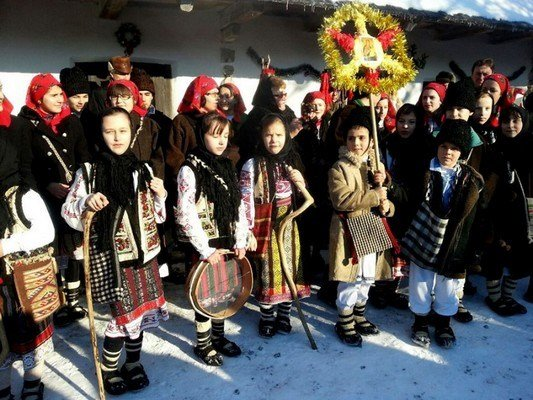
One of the most beloved Romanian traditions for the Christmas season (especially by the children) is the carols. They fill the air with joy and liveliness. Here, the carols differ from region to region, but they all declare one common event: the coming of Christ on Earth. 

A few days before Christmas, children, youngsters, and also the adults go from house to house, singing traditional carols either with Steaua (the Star), Plugușorul (the Plow), or Sorcova. It is common that in towns and villages, there are also traditional theater plays and dances.


Tradition says that the ones not opening their doors to the carol singers will have a fruitless year and only bad luck will follow because of their greed.  


But one Romanian Christmas tradition is in fact, so beautiful and unique that it earned its place in UNESCO's World Heritage. Called 'Junii Mărișelului' (Marisel’s Youngsters), it is a charming custom found in Mărișel, a village close to Cluj-Napoca. On Christmas Day, 10 unmarried young men gather at the main church in the village to dance and sing carols. After some time, the youngsters invite unmarried girls to join them for a dance. 


In Romania, the Christmas festivities represent a period that brings the family together, and so it is celebrated more “in-house”, with our dear and close ones. Because of this reason, Romanians put more attention to household preparations. We decorate the Christmas tree with red and green ornaments, and hang fir branches in the house but also mistletoe, as it is said it will bring riches, happiness, and peace in the following year. 

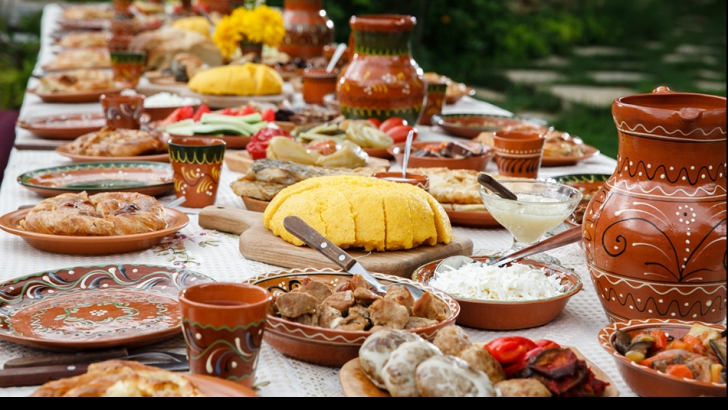
But without a doubt, the most important (and common) tradition during this time is the Christmas dinner. On the 25th of December, an abundant and rich dinner table is filled with traditional Romanian dishes that are usually prepared for this holiday, or for the winter season. Here include meals such as tobă, lebăr (Romanian version of Liverwurst), sarmale (cabbage rolls), mămăligă (polenta), caltaboși, colaci (bread), cozonaci (sweet bread), pita bread, sweets, salads (eggplant or boeuf), sausages or steak. Everything is prepared fresh, especially the meat. That is because Romanians have another tradition that takes place on the 20th of December. On this day, 'Ignat' day, it is customary to sacrifice a pig. 


Ce Bunatati din Pui Poti Gati pentru Masa de Craciun


And lastly, there are a couple more things you should pay attention to on Christmas Day. In the morning, it is good to wash the face with running water (from a river or a spring, for example) because it is said it will help you keep a fair and bright complexion. And on the 25th of December don't throw out your garbage! You might also throw away your luck…


   Crăciun Fericit! Merry Christmas!


Christmas Markets in Romania

Author: Cristiana-Teodora Ușurelu

The Christmas spirit in Romania is abundant and hardly to be missed - from the constant gloomy weather, to the selected few cities where the snow is already in full bloom, soft fairy lights scattered around the main metropolitan squares and a faint smell of burning wood in the chilly air. And to make the surroundings even more magical, in each major city in Romania you can find Christmas Markets to get you fully in the mood for the winter holidays, that will also let you experience how the locals celebrate this upcoming wonderful period. 

Christmas carols, Santa’s house, ice rinks, concerts and artistic events, delicious traditional Romanian food, mulled wine and hot chocolate, roasted chestnuts, gingerbread, handcrafts, enchanting fairy lights and huge decorated pine trees are just a taste of what you will find at these Christmas fairs. And this year, the merry-go-round is a trending experience in every big and worth-visiting Christmas market in Romania. So do not miss the chance to hop in one of these and take some beautiful panoramic views of the local towns.  

To make your search easier, we compiled a list of 8 must-see Christmas Markets in Romania, all with free entrance, that will make your winter holidays unforgettable. 

1.Bucharest Christmas Market

If you are living in Bucharest then it is a must to go and try everything that the Christmas Market has to offer. Located in Piața Constituției, right in front of the House of the Parliament, the market is the main attraction during these festive holidays. With over 70 booths ready to impress the visitors with Romanian delicacies, traditional handcrafts, decorations and souvenirs, the fair gathers also an ice rink, an enchanting carousel, a beautiful immense Christmas tree and a breath-taking merry-go-round that views upon the Parliament Palace and the neighborhooding Old city center. And while you are there, enjoy the special concerts and Christmas carols that fill the warm atmosphere in the air. 

Dates: 20th November - 26th December

Open Hours: 12:00 - 23:00 (Monday - Friday)

Location: Piața Constituției

2. West Side Christmas Market 2022 - Bucharest

This year, West Side Christmas Market has been the talk of the town. Organized in Parcul Drumul Taberei by the same people that are behind the famous Romanian music festival UNTOLD, the fair promises to offer its visitors a different, unforgettable and magical experience. 

Besides the ice rink and the carousel in the park, one of the surprises that people can find is a mailbox where they can leave their wishes for Santa Claus. On Christmas Eve, a raffle will take place and the winner will get their wish granted. Try your luck! 

But by far, the most spectacular thing at this Christmas market is the curtain of lights that will decorate the bridge situated in the park. 

Dates: 25th November - 27th December

Open Hours: 12:00 - 23:00 (Monday - Sunday)

Location: Parcul Drumul Taberei 

3.Sibiu Christmas Market

The Christmas markets in the Transylvanian cities are by far the most awaited by all Romanians, not just the locals. Each year, the Sibiu Christmas Market attracts hundreds of thousands of visitors, both from all around Romania and other European countries. A variety of exhibitors and booths with different traditional local dishes and drinks, handmade souvenirs and gifts will be present in Piața Mare. Until the 2nd of January, the fair will delight its visitors with different music shows and carols, light projections on the nearby buildings and an ice rink. 

Apart from these, the visitors can enjoy a fairy tale-like experience by hopping in the tourist little train, in the carousel or in the merry-go-round for a magical end of the night. 

Dates: 11th November - 2nd January

Open Hours: 11:00 - 22:00 (Monday - Sunday)

Location: Piața Mare

4.Brașov Christmas Market

In a short distance from Bucharest (a day trip to the mountains), Brașov is the perfect weekend escape to relax for many people living in Bucharest.  

The Christmas Market in Brașov is the biggest the town has seen so far. With 60 booths dedicated to local producers, craftsmen and merchants, Piata Sfatului, near the stunning Black Church, will be illuminated by numerous light decorations and an imposing Christmas tree. 

The visitors will be delighted to hear that the main fair zone will be divided in 3 parts so that they will be able to find what they are looking for quicker: between Casa Sfatului and the Fountain - packaged food products, between Casa Sfatului and Orthodox Church - ready-to-eat food, and between Republicii street and Apollonia Hirscher a wide selection of handmade traditional items. 

Dates: 30th November - 3rd January

Open Hours: 14:00 - 22:00 (Monday - Thursday) / 10:00 - 22:00 (Friday - Sunday)

Location: Piața Sfatului

5.Craiova Christmas Market

This year, Craiova Christmas Market could be the hidden gem a lot of people were not expecting to hear about. According to different tourism sites, the Christmas Market in Craiova is the third most beautiful Christmas Market in Europe, following famous fairs such as the ones in Budapest or Gdansk and surpassing the one in Vienna.

Open to visitors until 8th of January 2023, the fair has gathered the most beautiful light decorations and wooden booths for the local artisans. With a good selection of traditional dishes and sweets, the main attraction of the market is the 20m Christmas tree decorated with thousands of fairy lights. 

Dates: 11th November - 8th January

Open Hours: 12:00 - 22:00 (Monday - Sunday)

Location: Piața Mihai Viteazu


6.Timișoara Christmas Market

If during these holidays you are planning a trip to visit the wonderful sights of western Romania, then Timișoara should definitely be on your list, especially with its own Christmas Market. Organized in collaboration with a tourism association from Sibiu, Timișoara is ready to bring some of the festive and magical mood in Piata Victoriei. 

This year, the main attraction of the market is the huge merry-go-round, located in front of the Huniade Castle, from which you can see a beautiful panoramic view of the entire city landscape. 

With over 70 booths offering you local specialities and handmade crafts, definitely you will have a great time here. 

Dates: 1st December - 2nd January 

Open Hours: 11:00 - 22:00 (Monday - Sunday)

Location: Piața Victoriei

7.Oradea Christmas Market

Oradea Christmas Market is the place you need to be if you want to have a magical experience for the holidays. 

Apart from the immense Christmas tree in the city center, decorated with beautiful gleaming lights, and besides the usual delicious food and handmade souvenirs booths, at this fair, the visitors can experience the magic of the city through a royal carriage or an electric small train. And for the ones still young at heart, they can meet Santa Claus in his house. 

Also, for the first time at this Christmas Market, food trucks of local producers have been added where people can taste handcraft beer, sea buckthorn syrup with honey, different pickled vegetables or specialties from pork. 

Dates: 2nd December - 26th December 

Open Hours: 14:00 - 22:00 (Monday - Thursday) / 14:00 - 23:00 (Friday - Sunday)

Location: Piața Unirii & Piața Ferdinand


8.Cluj-Napoca Christmas Market

The Christmas spirit has taken over Cluj-Napoca without doubt, especially in Piața Unirii where the Christmas Market takes place until the end of the month. 

The visitors are welcomed by a huge Christmas tree, illuminated by garlands of fairy lights, a fun merry-go-round that overlooks the entire city, and tens of charming wooden booths from which people can buy handmade decorations for back home, Hungarian staple foods at these fairs such as langos and kurtoskalacs, gingerbread, mulled wine and hot chocolate and other delicious dishes that will 'leave your mouth to water'. 

Dates: 18th November - 31st December 

Open Hours: 11:00 - 22:00 (Monday - Friday) / 11:00 - 22:30 (Saturday - Sunday)

Location: Piața Unirii


Happy holidays!


 romania-for-travelers

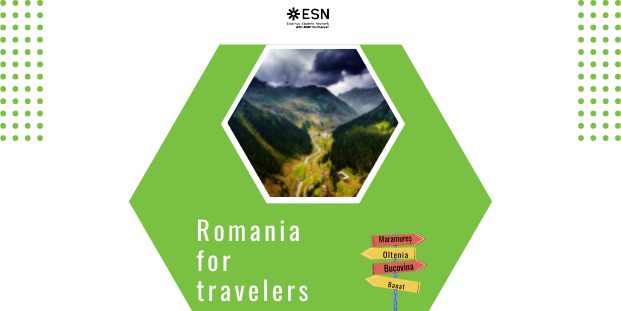
Romania for travelers

Author: Cristiana-Teodora Ușurelu

Romania is a country with extraordinary variated landforms that range from high mountains with breath-taking natural landscapes to long plateaus and deltas by the seashore. Because of this natural diversity, Romanians have the opportunity to explore a lot of beautiful and unique places in every region of the country.

Traditions, culture, cuisine, clothes, and songs, all vary just as much as the geographic locations.

Romania is commonly divided into 9 main regions (Maramureș, Crișana, Banat, Oltenia, Transylvania, Bucovina, Moldova, Dobrogea, Muntenia) and together, we will explore the main beauties and touristic attractions, hoping one of them catches your eye and intrigues you enough to check it out yourself.

You can check out a brief presentation of the regions on our Instagram page here but today, we will dig a bit deeper.

Maramureș

The region of Maramureș is situated in the northwestern part of Romania where the beautiful landscape is filled with mountains and valleys, and a lot of modest villages. Here, you can find the natural biosphere of Rodnei Mountains National Park, with diverse flora and fauna as it is recognized and under protection by UNESCO.

The charm of this area comes from the long tradition of artisans that practiced wood carvings. Especially seen in the villages’ churches, there are intricate woodcarvings on the gates and columns.

This region is also home to the Wooden Churches of Maramureș, another UNESCO-protected site. The typical high silhouette and detailed ornaments on their exterior display a dark, gothic-like style of the worship sanctuaries.

But by far the most intriguing and unique place in Romania is the Merry Cemetery (Cimitirul Vesel) in the town of Sapânța. The crosses are colored with an uncommon bright blue and have inscriptions with humourous verses that commemorate the life of the deceased. This comes from the belief of the local people that death is not the end but only a beginning.

If you managed to travel to this place, it is imperative to have one more beautiful experience and let yourself be transported back in time. Present in just a few other places in Romania, in Vișeu de Sus you can experience a fairy-tale-like moment by hoping in a narrow-gauge steam train, called Mocănița. During the trips, you have the opportunity to see the workers load the firewood and also pick up freshwater from the mountain streams.

Crișana


The region of Crișana is situated in the West of Romania, where German, Serbian and Hungarian influences have been engraved within the architecture and traditions of the people.

While in Crișana you can visit the underrated cities of Oradea and Arad, which have rich multicultural history and elegant and well-preserved Art Nouveau buildings. If you are looking for some relaxation and perhaps some natural treatment, outside of Oradea is located one of the most famous thermal baths in Romania, Felix Thermal Baths (Băile Felix).

But for the ones that crave some adventure and a trip to the ancient past, you will be happy to hear that in Crișana you can find one of the most interesting and eerie caves, the Bears’ Cave (Peștera Urșilor). In this cave, filled with thousands of stalactites and stalagmites, you can see the fossils of a prehistoric species of bear that became extinct 24,000 years ago.

Banat

The western region of Romania, Banat, is one of the most heavily influenced by its neighbor, Hungary. The biggest city within the region, Timișoara is justly called the “Little Vienna” for its progressive stance and many cultural attractions such as the Philharmonic and the Museum of Region of Banat. For this, Timișoara has been chosen to be the European Capital of Culture in 2023. It is not to be missed!

The southern part of the region marks the entering of the Danube River on Romanian soil. The Iron Gates Nature Park is the second-largest natural park in Romania and natural wonder, where several protected species of flora and fauna live. Moreover, only accessible by boat on the river, you will be able to see the colossal Rock Sculpture of Decebalus, the biggest sculpture on the continent counting almost 55 meters in height. 

Oltenia

Oltenia is the southwestern region of Romania, renowned for its several natural spas and one-of-a-kind cultural heritages.

The natural spas of Căciulata, Călimănești, Olănești, and Govora are the excellent places where people go to receive qualitative treatment from the special springs and have a holiday of relaxation in the mountains.

The city of Târgu Jiu, also named “The city of Brâncuși” is home to an open-air sculptural museum. The Sculptural Ensemble of Constantin Brâncuși was a homage of the artist to the Romanian heroes that sacrificed their lives in the First World War. It incorporates three central pieces, all connected by an axis directed from the sunset to dawn: The Table of Silence, the Gate of Kiss, and the Endless Column.

In the region of Oltenia, you can also find one of the longest caves in Europe, Polovragi Cave, which counts over 10km in length. 


Transylvania

Transylvania, the central region of Romania, is best renowned for its well-preserved medieval towns such as Brașov, Sibiu, and Sighișoara, each having its charm, but also for the numerous and impressive gothic style castles. 

The most famous castles are no doubt, Bran Castle and Corvinilor Castle.

Bran Castle, located very close to the city of Brașov, is commonly associated with the ruler Vlad Țepeș, the inspiration for Bran Stoker’s Dracula.

Corvin Castle, on the other hand, located in the city of Hunedoara, is probably the medieval architectural jewel of Romania. During its beginnings in the mid-14th century, it served as a fortress until Iancu of Hunedoara transformed it into a castle.

Bucovina

Going further North of Romania we discover Bucovina, a smaller region of the country filled with many Byzantine-style churches and monasteries, lively villages, and natural breath-taking landscapes.

In the region of Bucovina, you can find another UNESCO World Heritage site, the “Painted Monasteries”. Distinguished by their colorful painted exteriors, the images illustrated on the monasteries depict different religious scenes from Christianity.

Voroneț Monastery, also known as “The Sistine Chapel of the East”, is the most famous out of all due to its unique type of paint. Illustrating “The Last Judgement”, the blue paint that was used has never faded even with the harsh weather conditions that brushed over it throughout the years. Nowadays, the pigment used is known around the world as “Voroneț blue”.


Moldova

The region is located in the northeastern part of Romania and is perhaps one of the richest in folklore and traditions. Moldova is a region with numerous orthodox churches, that date back hundreds of years ago.

The capital of the region, Iași, is home to about 100 churches itself, the most exquisite out of all being the Church of the Three Hierarchs. In the city, you can also find the beautiful Palace of Culture that houses the Ethnographic Museum, the Art Museum, and the History museum.


Dobrogea

In the southwestern region of Romania, Dobrogea is the one that links the rest of the country and the Danube Delta to the Black Sea.

Of course, a lot of Romanians go to spend their holidays at the numerous tourist cities by the coast but the region is wide, and brimming with museums, historical monuments, ruins, and ancient citadels that date back centuries B.C, during Greek and Roman times, even with strong influences left by the Ottoman Empire. 

The city port of Constanța (known in ancient times as Tomis) is the core of the Romanian Black Sea tourism, the most famous Art Nouveau architectural building being the Casino Constanța by the seafront.

And we cannot forget about Danube Delta Biosphere Reserve. A natural reserve that we pride ourselves on, protected by UNESCO, where you can find numerous species of wildlife, such as birds, fishes, and unique plants, but also traditional fishing villages with restaurants where you can taste fresh products from the local cuisine.

Muntenia


Muntenia, also known as Walachia since ancient times, is the most southern region of Romania where the capital of Bucharest is located.

Apart from the rich and diverse cultural influences and places of interest that you can find in Bucharest at almost every street corner, there are a lot of other tourist cities along Prahova valley that deserve attention. Predeal, Bușteni, and Sinaia are the biggest and most visited cities for the people that look for relaxation, amateur hiking trails, chillier weather, striking mountain sceneries, and ski and snowboard facilities during the wintertime for enthusiasts.

If you have the chance to visit the city of Sinaia, pay a visit to Peleș Castle, one of the most beautiful in the area build with German new-Renaissance architecture that was even featured in “A Christmas Prince” movies.

Lastly, located in the Bucegi Mountains at an altitude of 2,216 meters you can find an icon of Romania, some unique stone formations called the Sphinx and Babele.

newbies-guide-to-bucharest

Newbie’s Guide to Bucharest

Author: Cristiana-Teodora Ușurelu

Bucharest is one of the hidden jewels of Eastern Europe that usually does not receive its deserved time in the spotlight. But the city hides a lot of charming buildings rich in history, unique churches, and monasteries, beautiful chic streets, and boulevards and parks. To help you get better acquainted with your new home, I have gathered 10 essential pieces of information about Bucharest, some better-known facts than others, yet all worth knowing! 

1.Bucur’s legend 

The legend says that Bucharest was founded by a rich shepherd named Bucur, who wanted to lead his sheep and dogs to the Danube but chose to remain by the Dâmbovița River. He built a large house for him and his daughter, Ana, and also a small church, „Bisericuţa lui Bucur” (The Church of Bucur), standing tall in the city to this day. Other Romanians, Greeks, Russians, and Turks settled down around Bucur’s house and, after a few centuries, the city of Bucharest was born. The name „Bucur” is derived from the Romanian word „bucurie” which translates to „joy”, and makes Bucharest „the city of joy”. 

2.Little Paris

Bucharest started to get its nickname „Little Paris” at the beginning of the 1900s. The beautiful and elegant architecture was one of the major reasons for it. Bucharest has its own Arc de Triomphe, inspired by the famous one in Paris, although significantly smaller than the original. Several boulevards and avenues were designed after the French style, one example being Unirii Boulevard to resemble the iconic Champs-Élysées. 

The citizens frequently traveling to Paris for holidays and to study also added to the „Little Paris” dubbing. Locals began to greet each other in French, a custom that still exists nowadays. It is not surprising to hear Romanians say „Mersi!” when showing their gratitude.

3.The Palace of the Parliament

The Palace of the Parliament, also known as the House of the People, is one of the first landmarks any traveler wants to see when they arrive in Bucharest. And with good reason! The Romanian Parliament is the second-largest and most expensive administrative building, after US’s Pentagon.

Ordered by the communist dictator Nicolae Ceausescu as a statement of Romania’s power in independence, the building counts 1100 rooms (out of which only 400 are in use) and weighs 4,10 million tons, making it the heaviest building in the world. It houses the senate, the chamber of deputies, three museums, and an international conference center.

4.Unirii Boulevard

Speaking of Unirii Boulevard, it is the largest boulevard in the world, with a length of 3,500 m, 40 m longer than Champs-Élysées in Paris. It connects three main squares of Bucharest: Alba Iulia Square, Unirii Square, and Constituției Square (the front of the Parliament building).  Throughout Unirii Boulevard a fountain system is built that measures 1,4 km. According to the World Record Academy, this structure is the longest choreographic system with fountains in the world. 

5.First city lighted by lamp oil 

On the 1st of April 1857, Bucharest was publicly lighted by 1000 oil lamps, making history by being the first city to use lamp oil illumination. The project was possible with the help of a refinery in Ploiesti. Its equipment was modern for the period and produced the highest level of oil. 

6.Calea Victoriei

Calea Victoriei is one of the major and most important roads in Bucharest. Built in 1692, Calea Victoriei was the first paved street in the city and was initially called the Wooden Road. This was because of its pavement which consisted of tree trunks and planks. Later, in 1882, the wood was changed for stone. Calea Victoriei (Victory Road) took its name after Romania won its independence in 1878, and the army troops entered the city triumphally by this road. 

7.Bucharest or Budapest

It is safe to say that every Romanian knows a story about someone mistaking Bucharest for Budapest. Unfortunately, the English names of the two Eastern European capitals are very similar and Bucharest easily tends to be called Budapest. Famous names like Michael Jackson, Iron Maiden, Lenny Kravitz, and Ozzy Osbourne are just a few that confused the two cities. The confusion made headlines when in 2012, 400 Athletic Bilbao fans mistook the two cities and flew to Budapest instead of Bucharest, for the Europe League final. 

8.Politehnica Metro station

You might want to look closely at what you are stepping on when reaching this unique metro station in Bucharest. The floors of the Politehnica metro are paved with a beautiful yet very special marble that contains over 80-million-year-old marine fossils. Built in 1983, the floors encapsulate different shells, snails, or corals. 

9.We have amazing internet speed

Romania has one of the fastest internet speeds in the world, especially in Bucharest where the infrastructure system is of very high quality. Just a few years ago, Romania had the fastest broadband internet speeds in Europe but recently dropped to the 3rd position. In the world, Romania is in 4th place with 232 Mbps. 

10.We also eat a lot of meat

Nowadays, the diet of the everyday Romanian is quite varied but a lot of traditional recipes consist of different types of meat, pork as the preferred one, followed by beef, fish, and chicken. Famous Romanian meals include mici, sarmale, different types of sausages, chicken schnitzels, and pork greaves. The meat in the meal is either served as a main dish or as a part of it. 


 folklore

Folklore-inspired Romanian customs in modern days

Written by: 
Tudor Țoțovînă
 

Folklore-inspired Romanian customs in modern days


New to Romania? Curious about its history or customs?

Well, we got you covered. At least partially, since we’re not going to discuss the abundance of history this amazing country has, as it would take far too long to do so.


However, we are here to give you some insight into Romania's customs with folk clothing coming up - stay tuned for this. 

Most of our customs began in rural areas, inspired by folk stories or Christian traditions. The amazing thing is that most of our customs are, to this day, alive and adapted to modern society.


Easter Tradition - Ouă încondeiate (decorated eggs)


Let’s start off with something most of you are familiar with: Easter. Each country has their own Easter traditions, or ways of celebrating it.

In certain areas of Romania eggs are painted in a marvelous way - via a process “încondeiere”. Simply put, amazing designs are masterfully embroidered onto eggs as it can be seen below.


Ouă încondeiate - decorated eggs


“Încondeierea” can be done on natural or wooden eggs, with the design depending on regions and its traditions.

Bucovina, a region in the North of Romania, is the ‘go-to’ place for embroidered eggs. True art is created on this occasion, with plenty of motifs - wheat ear, the sun, leaves and so on. 


Christmas and New Year Traditions - Christmas Caroling 


Moving onto Christmas, we find people of all ages from rural areas gathering together, to go carolling. They do so on Christmas Eve and usually go on for two, three days - depending on the area. Breath-taking carols are sung, folklore masks are worn and sometimes even disguises of bears and other forest animals are being improvised.


Christmas Market masks, Bucharest Romania


Urban areas adapted carolling as well, but something is lacking.

Perhaps you could witness both during your Erasmus and let us know what is that lacking element.


    Christmas carolers in bear skins, Cluj-Napoca Romania


We’re not done with carolling yet - we like to sing a lot, and take plenty of our ways of doing it from Christian traditions.

On Christmas Day, young people improvise a star, dress up as the three mages and go around the village/city to let people know that Christ was born.

After a break of a few days, comes New Year’s Eve and the day after. On this occasion, Romanians go carolling with “Plugușorul” - an agricultural carol which is being sung alongside bells and whips.

“Aho, aho, copii și frați” - the start of “Plugușorul” will have all Romanians instinctively thinking about its continuation. Really, try it and see if we’re right.


Christmas traditions in Maramures, Romania


Spring Tradition - Mărțișor


From eggs to carols, our customs are diverse and unique. While talking about unique traditions, we absolutely have to mention: “Mărțișorul”.

Foretelling the coming of Spring, Mărțișorul is an old custom which gained more popularity than even embroidered eggs. 


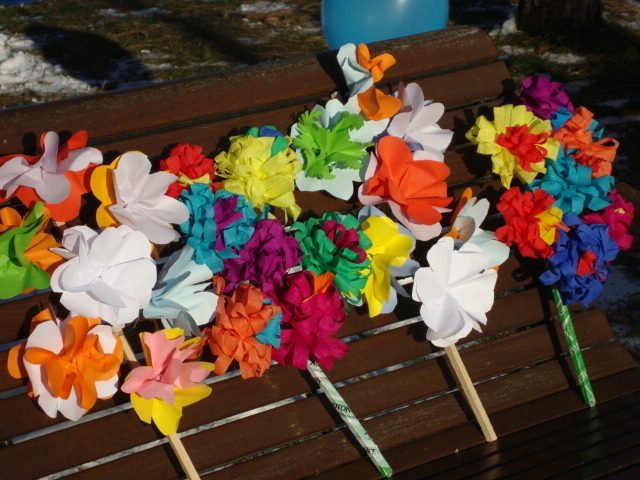
Celebrated on the 1st of March, Mărțișorul is a handmade amulet or symbol tied together with two strings. The two strings are of different colours: white - symbolizing divinity and purity; and red - symbolizing love, friendship. Some could also associate the two colours of the strings with the two main seasons: winter and summer.

It is usually a gift that men give to women, with women wearing their favorite Mărțișor for the whole month of March. While in Romania, you should search for Mărțișor workshops and create your own!


Mărțișor with traditional Romanian motif


Wedding Tradition - Stealing the bride


We talked a lot about customs revolving around Holidays or special days. But what is that one special day that most of us go through?

That’s right, wedding time. In Romania, there are a lot, and I mean a lot of wedding-related customs. They vary, based on region, but one has managed to overcome the barriers regions might have. 

“Furatul miresei”, translation - stealing the bride-to-be. It’s a custom in which the bride is stolen, usually by the best man, or close friends of the groom, and a ransom is being asked from the groom or from the godfather/godmother.

Ransoms may vary and are oftentimes creative - love poems for the bride, dancing on amusing songs and the list can go on - it all depends on how the negotiating goes.


Aren’t our customs fascinating? And this is just the tip of the iceberg.

As mentioned before, there are many more customs in this amazing country and all of them vary a lot, based on region.


We challenge you to explore Romania and its customs as much as you can during your Erasmus.

Are you up for it?


Pages